Republicans need to be outspoken against federal efforts to block state AI laws because the issue isn’t going to “blow over,” Ohio Sen. Louis Blessing (R) said in a recent interview.
FTC Privacy Enforcement
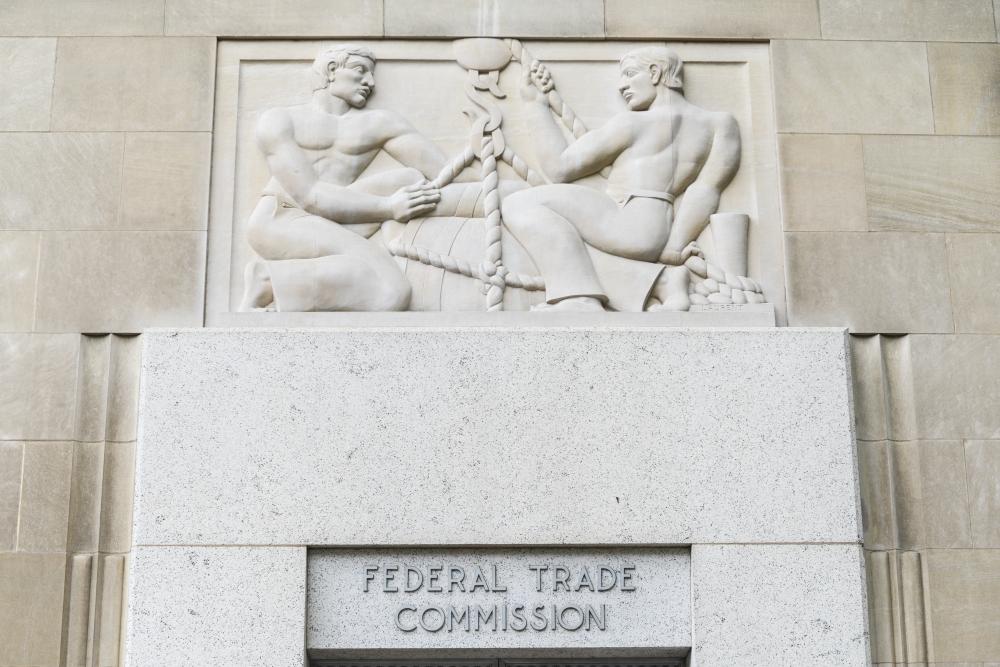
The Federal Trade Commission (FTC) is the primary enforcer of privacy laws in the U.S., using consent decrees, lawsuits and rulemaking to address unfair or deceptive data practices. The agency’s actions influence how companies design privacy programs, handle consumer data and respond to complaints. This page highlights major cases, policy updates, and enforcement patterns at the FTC that shape the U.S. privacy landscape.
The FTC on Wednesday vacated a 2024 agency order against an AI writing assistant platform, saying it “unduly burdens” AI in violation of President Donald Trump’s AI Action Plan.
Instacart said Monday it will immediately end what it called price testing following a Consumer Reports (CR) study that the organization said proved it used personal data to set its online grocery prices. However, Instacart also denied its "pricing tests" included surveillance pricing or dynamic pricing, "and were never based on supply or demand, personal data, demographics, or individual shopping behavior.”
Consumer Reports and other groups raised the stakes on an earlier claim that Instacart is using personal data to set grocery prices, unbeknownst to customers. On Tuesday, Consumer Reports and More Perfect Union called on the FTC and state attorneys general to investigate, presenting a petition with 40,000 signatures and charging Instacart with deceptive or unfair pricing practices in violation of the FTC Act.
The FTC should reopen its study of surveillance pricing, a bipartisan group of senators wrote Chairman Andrew Ferguson in a letter released Thursday.
Days after suing five TV companies for spying on consumers and recording what they watch, Texas Attorney General Ken Paxton (R) said Wednesday he had secured a temporary restraining order (TRO) against one of them, Hisense, to stop it from collecting personal data. Meanwhile, an attorney said Texas' action highlighted regulation of smart connected devices like TVs, which have become surveillance tools. Another said resulting fines against the companies could be significant.
Despite some federal statutes and many state laws specific to privacy, the FTC acts as a stand-in for the lack of a comprehensive federal privacy measure, said the agency's former chief privacy officer at a Practising Law Institute (PLI) event Wednesday. Besides state privacy laws, enforcers often employ unfair and deceptive acts and practices (UDAP) statutes and other consumer protection laws, another panelist said.
FTC Commissioner Mark Meador sees Section 5 of the FTC Act and COPPA as the best statutory authorities for the commission to protect children online, the Republican told the Monopoly Report during a podcast aired Wednesday. But Section 6(b) of the FTC Act is a unique tool to better understand modern data practices, he said.
Illusory Systems violated the FTC Act by failing to implement data security measures as advertised, which enabled a $186 million breach, the agency alleged Tuesday in a proposed settlement with the Utah-based blockchain developer.
Privacy Daily is providing readers with the top stories from last week, in case you missed them. All articles can be found by searching the title or clicking on the hyperlinked reference number.